News
Chad: The successful gamble of a joint and inclusive committee for dialogue and conflict prevention
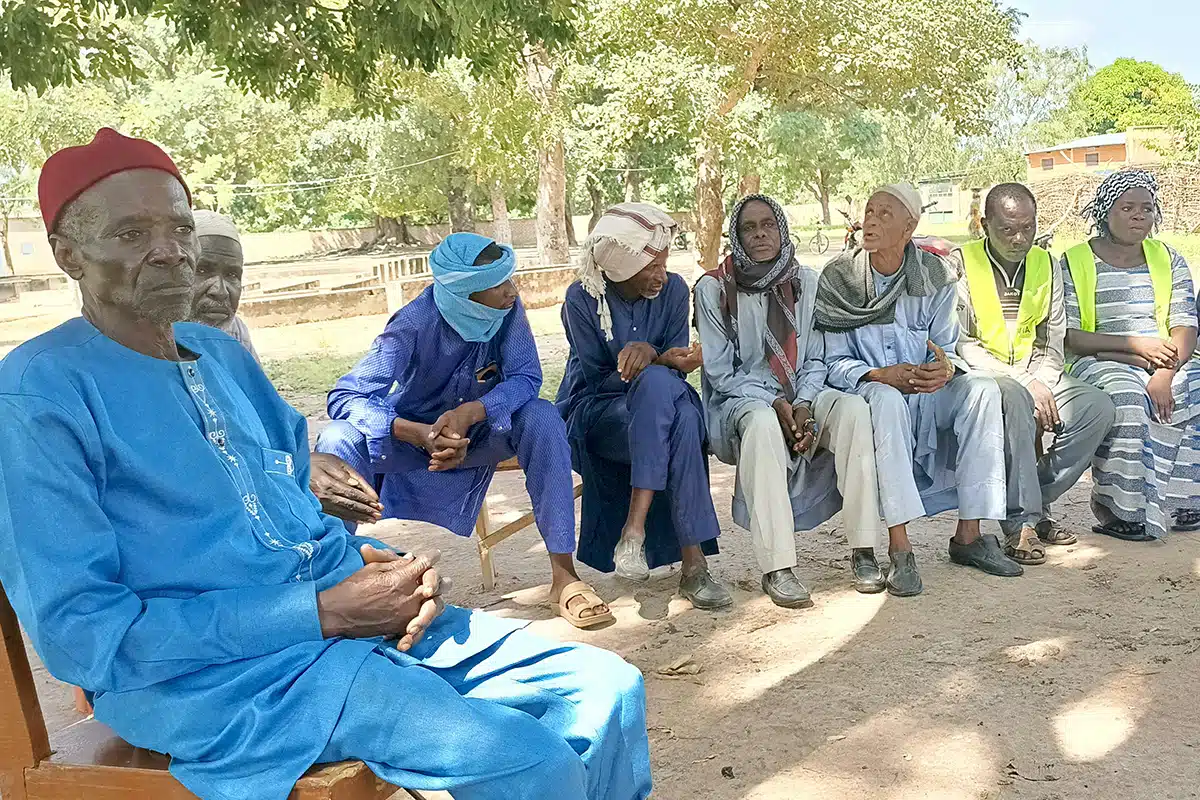
The joint and inclusive committee for dialogue, prevention, and conflict transformation in the Bouna canton, in the Mandoul region of southern Chad, has a significant challenge ahead. The adverse weather conditions for herders and farmers in 2025 disrupted traditional land-sharing practices. Floods forced herders to seek alternative grazing areas, while farmers also searched for other, non-flooded areas for rainfed agriculture.
The height of the crops in cultivated fields naturally attracts animals seeking good grazing. Sometimes, the roles of farmers and herders are even reversed, illustrating the complexity of these conflicts. In September 2025, in the Nyiminigué 2 district, a farmer's cattle devastated a herder's sorghum field in a nearby ferrick—a term referring to a nomadic pastoralist or herder encampment. The herders driving the animals also began stealing corn. This devastation would have escalated into a bloody conflict were it not for the intervention of the committee.
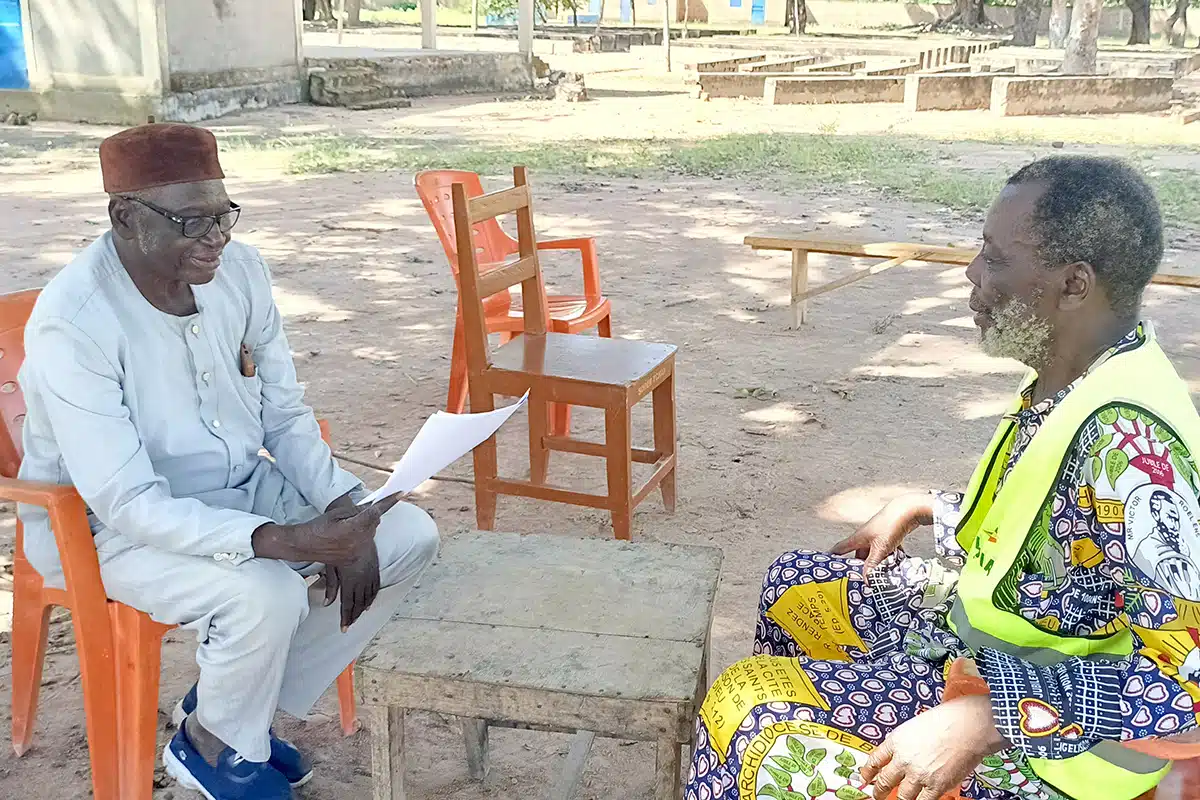
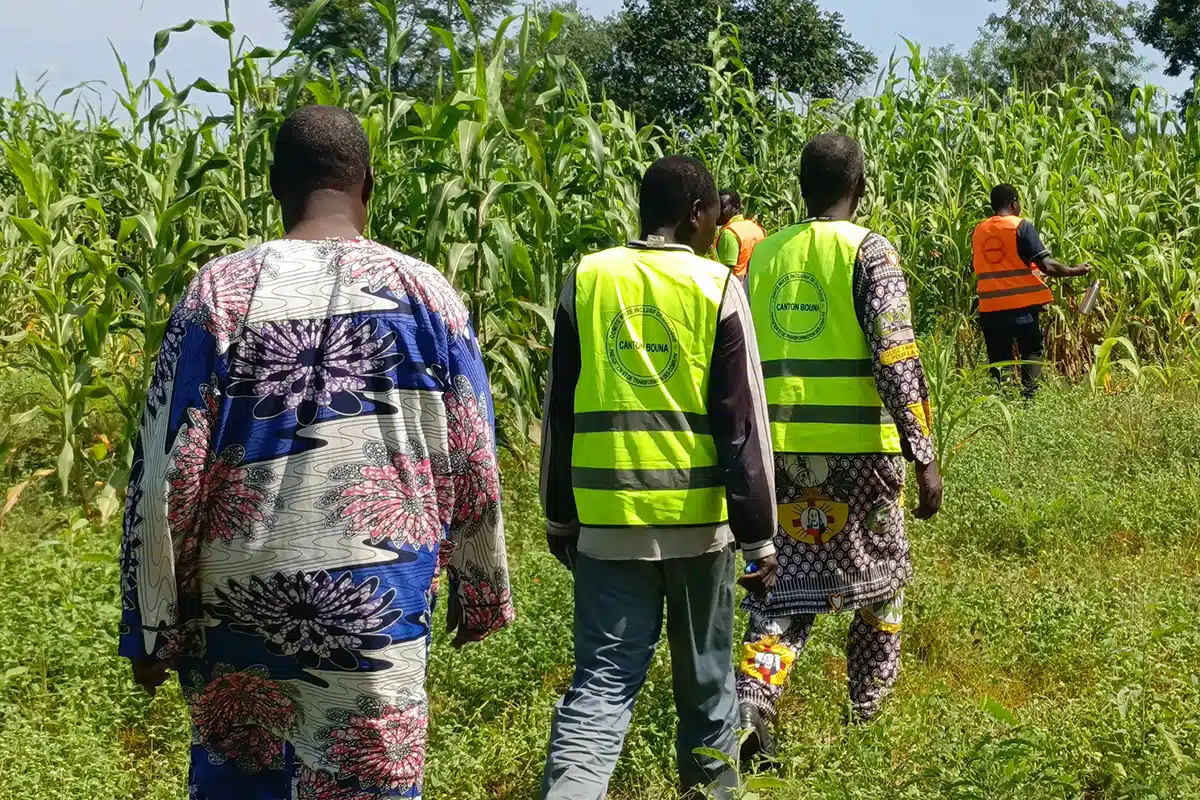
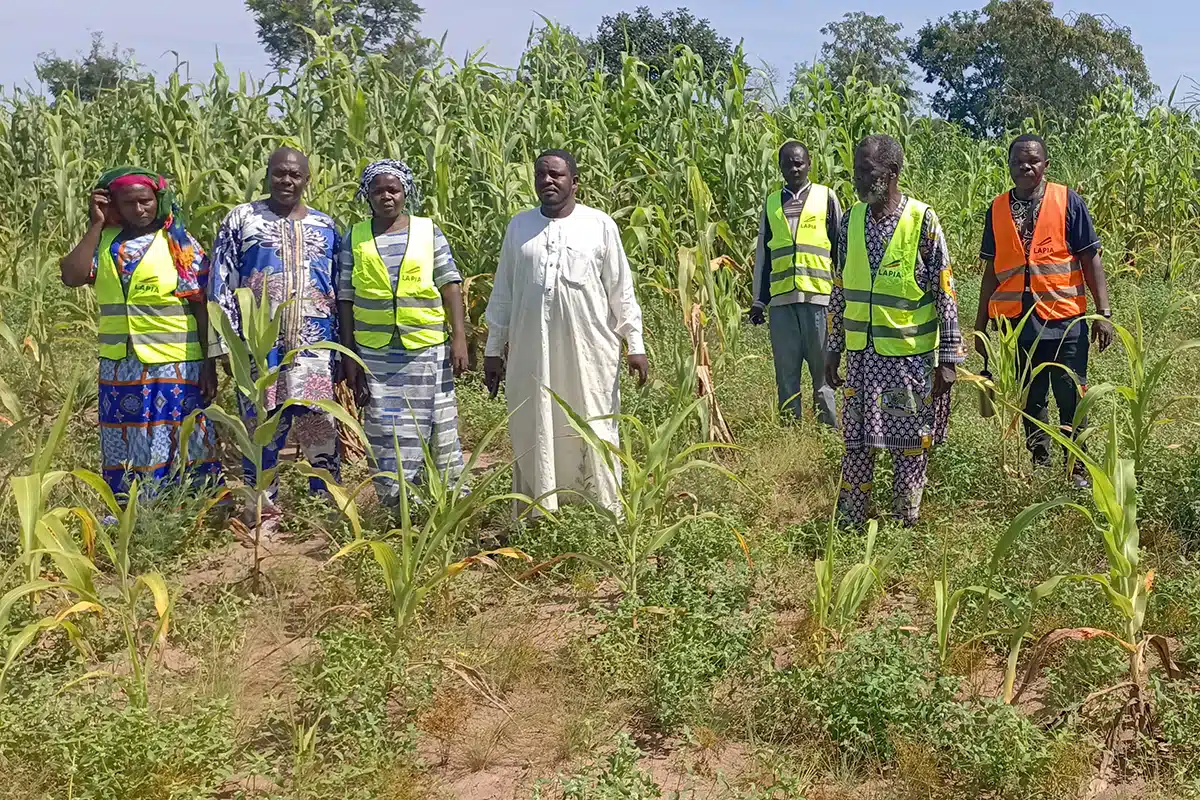
Indeed, between July and September 2025, the committee was contacted on numerous occasions by landowners and village chiefs. Its members first visit the sites to assess the situation and evaluate the damage, then conduct separate hearings with the parties involved in the conflict to explore the possibilities of mediation. When necessary, the committee mobilizes other resources, such as the heads of the ferriks (local agricultural districts), village chiefs, the canton chief, sub-prefects, or the defense and security forces: the committee sometimes requests their intervention if disputes exceed its capacity. However, most often, conflicts are resolved amicably, with the committee, the head of the ferrik, and the village chief present.
Thus, in 2025, despite a challenging situation, the committee's swift action prevented major incidents. The Bouna committee is one of 18 committees that have been supported and revitalized since November 2024 by the project to support social cohesion and peaceful coexistence in southern Chad (LAPIA), implemented in the provinces of Logone-Oriental, Mandoul, and Moyen-Chari by Coginta and its partners RESAP-MC, Caritas Goré, ARED, and CRASH, with support from the European Union. These are not new structures created by the project, but rather pre-existing community-based organizations.
The launch of the LAPIA project thus provided an opportunity to review its activities. A general assembly to revitalize the committee was convened in April 2025, which allowed for the clarification of eligibility criteria reinforcing the principle of parity, particularly between livestock farmers and crop farmers, men and women, young and old, and ensuring broad religious representation (pastors, imams, and priests). These religious leaders are now ex officio advisors to the Committee, alongside the human rights defenders.
The Bouna committee currently has four women. They play an important role in conflict prevention given their involvement in the family, economic, and commercial life of the community. In particular, they conduct local awareness campaigns when they meet in women's communities, during trips to weekly markets, or to water points.
However, the committee's work is not easy. In the Bouna canton, as elsewhere in the province, the herders involved in the conflicts are not from the area. Communication with them is difficult, even when one or more committee members speak their language, and even more so when they do not. The committee then turns to community leaders who may be located in a neighboring canton. The participation of the herders in the committee's work, often residents of the ferricks (traditional settlements) near the canton's main town, is also very important. A particular difficulty arises when the transhumant herders are teenagers who are not the owners of the animals: it is sometimes difficult to contact the actual owners of the cattle to facilitate an amicable settlement of disputes. In such cases, the committee refers the matter to the appropriate authorities.
The 2026 transhumance season is currently underway. This year, concerns are linked to the early arrival of transhumant herds in the provinces, before the end of the harvest, which often leads to damage to fields and conflicts between farmers and herders. In a circular issued at the end of September, the government instructed local administrative and traditional authorities to take the necessary measures to prevent conflicts and ensure adherence to the agricultural calendar and designated passage corridors, outlining a number of specific recommendations.
The circular explicitly mentions the local joint conflict management committees, which are called upon to play a central role in preventing and resolving disputes. This is a welcome recognition of the essential work these committees carry out daily to prevent escalations of violence.