News
Chad: Adoption of local agreements for sharing natural resources
The project to support social cohesion and peaceful coexistence in southern Chad (LAPIA), funded by the European Union and implemented by Coginta, supports communities in the cantons of Koskobo and Danamadji – located in the departments of Lac Iro and Grande Sido, Moyen-Chari province – in the development and formalization of local agreements for access to natural resources.
Conflicts in the provinces of Moyen-Chari, Mandoul, and Logone Oriental are devastating. A study on conflict conducted at the start of the LAPIA project recorded 320 deaths in the three provinces of Moyen-Chari, Mandoul, and Logone Oriental between 2022 and 2025. However, the study revealed recurring patterns that, in some ways, make these conflicts predictable and therefore avoidable. In particular, the sharing of natural resources, such as water and land, between pastoralist and farming communities often plays a triggering role in conflicts.
From its inception in late 2024, the LAPIA project has supported the revitalization of inclusive joint dialogue and conflict prevention committees, tasked with intervening in tensions and skirmishes to defuse emerging crises. Large-scale awareness campaigns are also being conducted, particularly during the transhumance season, and have already helped to re-establish contact between some farming and herding communities. In parallel, a key component of this preventative framework is also being progressively implemented: the development of local agreements for sharing natural resources.
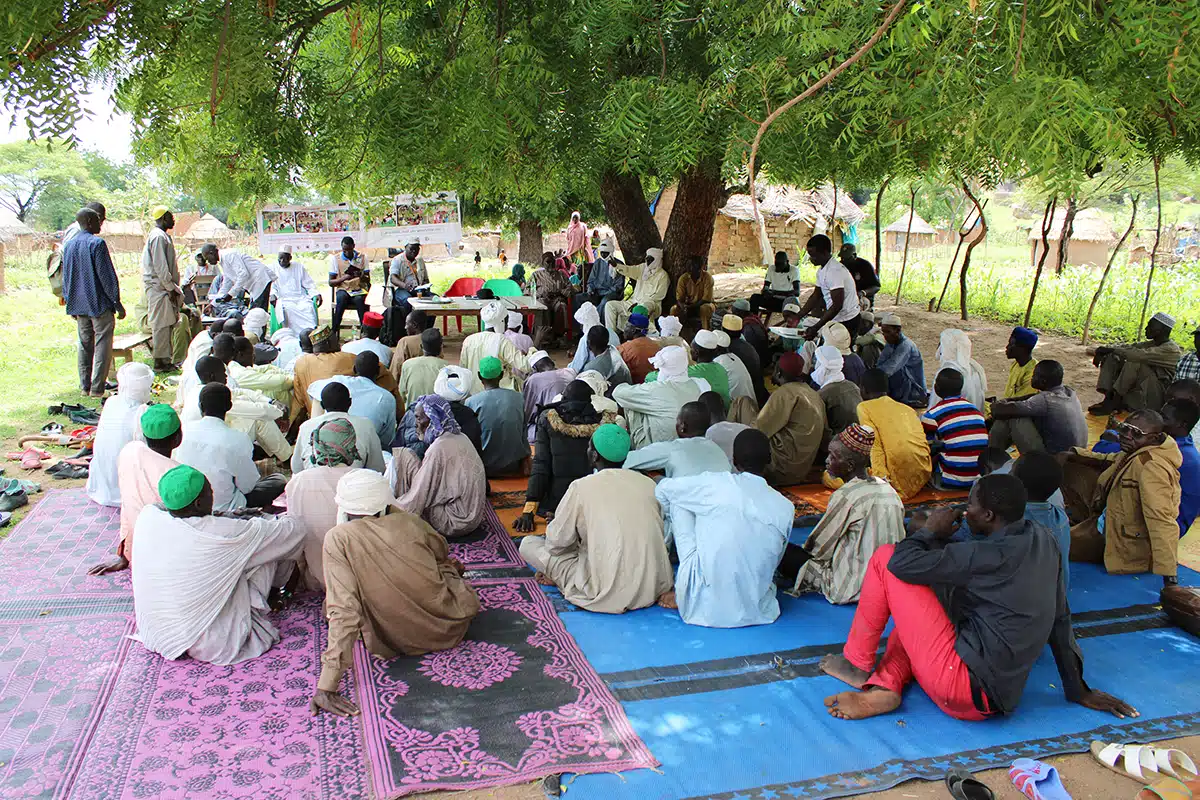
Considered as community reference tools, these agreements provide a coordinated framework for the use of natural resources, the protection of sensitive areas, and conflict prevention. The first local agreements were signed on August 27 and 28 by the communities of the Koskobo and Danamadji cantons – following a lengthy process involving all stakeholders – under the auspices of local, customary, and traditional authorities.
Indeed, a slow pace is essential in negotiating these agreements to ensure the genuine commitment of all the populations and authorities involved. In the case of the two cantons, the process began in March 2025 with an initial approach to administrative and traditional authorities, including the prefects and canton chiefs, to solicit their support and guarantee the smooth implementation of the initiative.
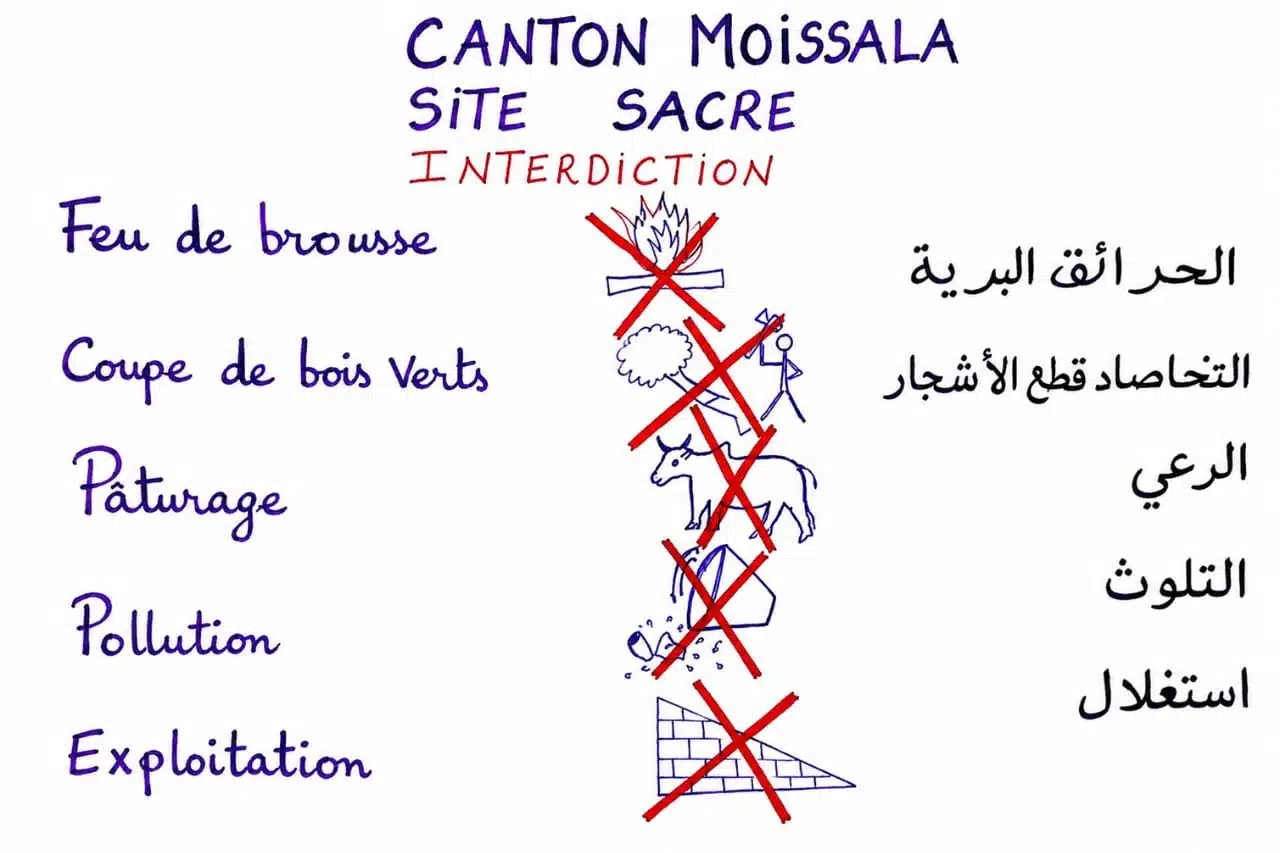
Starting in July 2025, several information sessions were organized, with the support of the authorities of the cantons and villages concerned, to explain the advantages of having local agreements governing the management of and equitable access to natural resources, presented as conflict prevention mechanisms. The communities, through their leaders and traditional chiefs, participated in meetings to identify existing resources and agreements. This inventory revealed a clear interest in negotiating agreements: three transhumance corridors cross the Koskobo canton and are regularly the scene of tensions, while the lack of a clearly defined area dedicated to spiritual rites raises significant problems with both herders and farmers in the Danamadji canton.
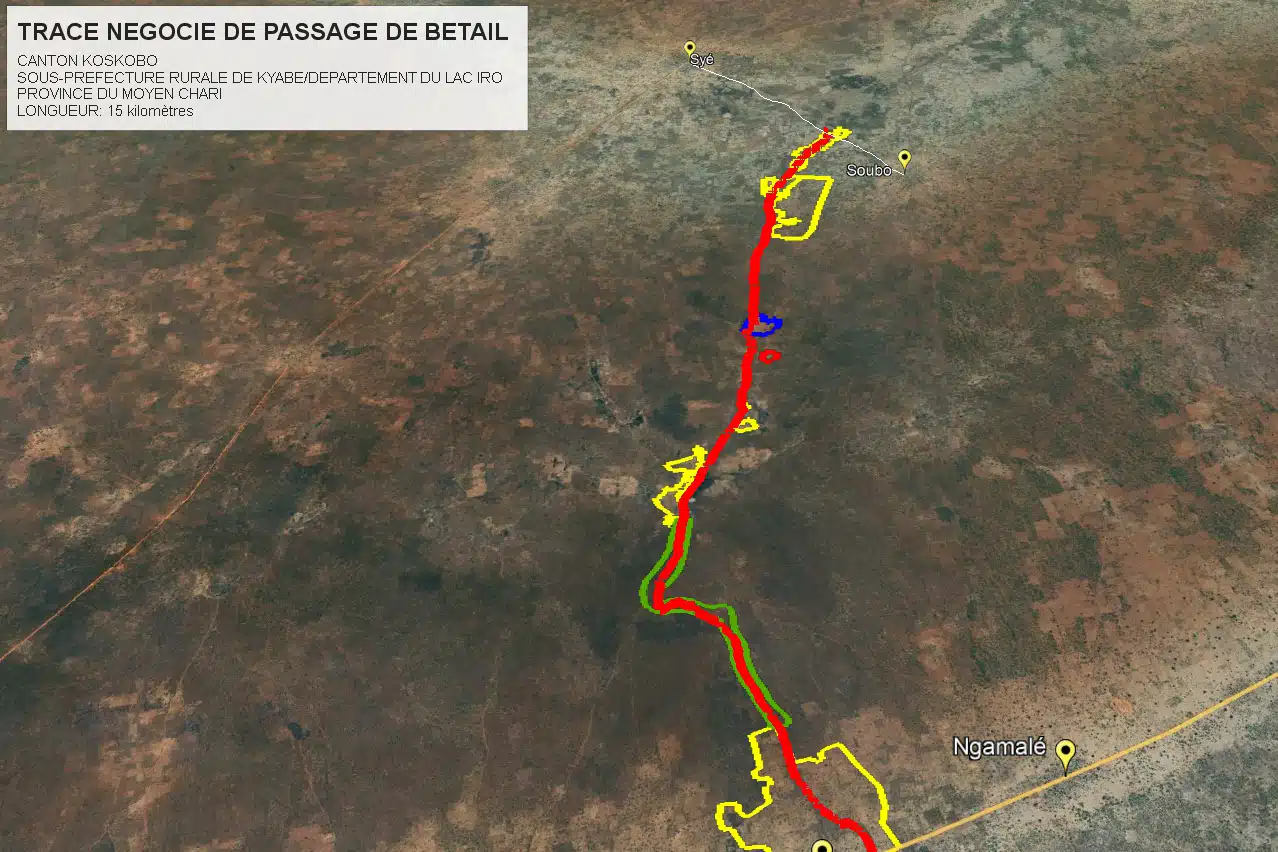
Given the limited resources of the LAPIA project, a participatory process helped define two priorities in each canton: the first concerning the negotiated route for access to pastures and water points over a distance of fifteen kilometers in one canton, and the second focusing on the protection and collaborative management of sacred forests in the other. The canton chief of Koskobo, Mr. Nibissi Tadjongo, confirms the importance of these agreements: “We have serious problems with our fellow herders – especially along transhumance corridors and grazing tracks – so we wholeheartedly welcome the idea of local agreements on natural resources. We pray that the LAPIA project will be fully implemented so that it can help us definitively resolve these problems.”
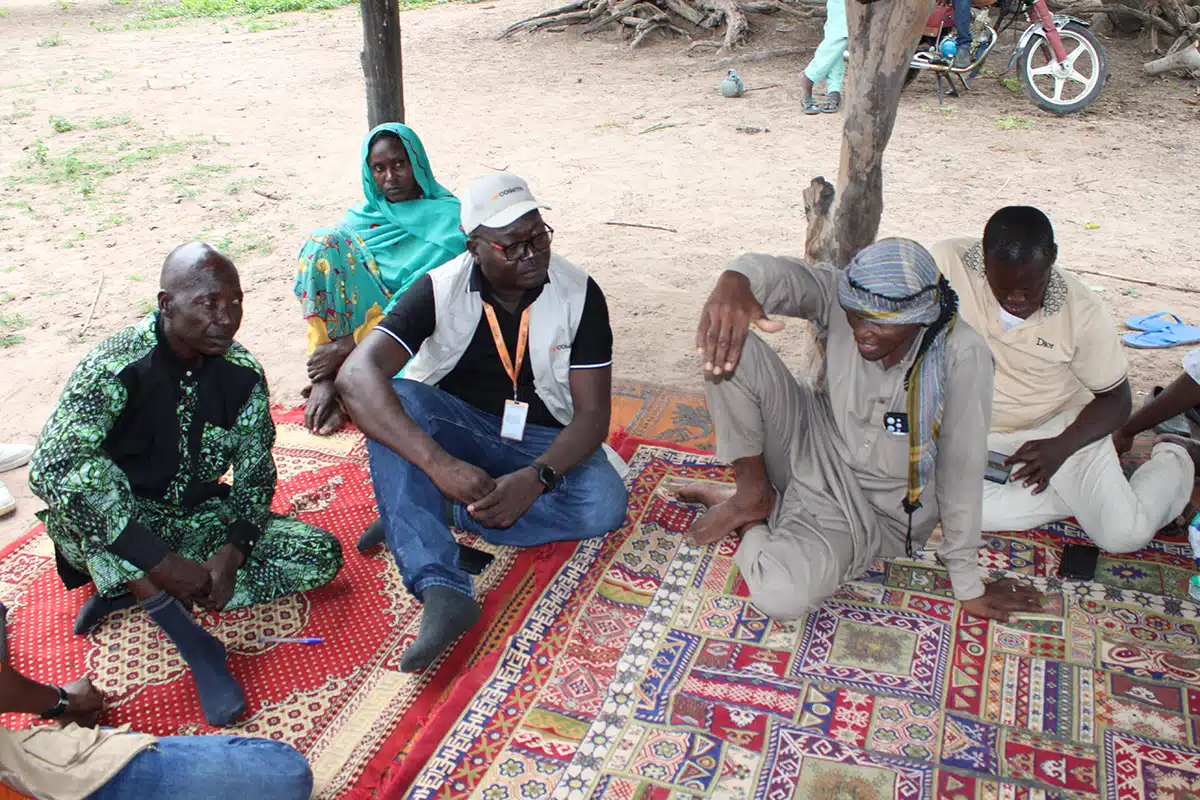
A key step in December 2025 involved collecting the GPS coordinates of the identified natural resources, a technological advancement that facilitated their location. In both cantons, two guides were appointed by the canton chiefs—a farmer and a herder for the negotiated route, and two initiates for the sacred forest—to accompany the project team on foot to explore the sites under negotiation. The beneficiaries then formally consented to the start of negotiations by signing official records. This approach aimed to minimize misunderstandings, which are often a source of tension, and to prevent any subsequent disputes.
Starting in February 2026, workshops with the communities involved helped define the rules for shared management. In June, Village Monitoring Committees (VMCs) were established to ensure local oversight of compliance with the terms of the agreements. In the Koskobo district, the negotiated route was also submitted to the Provincial Delegation for Land Use Planning of Moyen-Chari for validation through a site visit that same month. Finally, the agreements were drafted by the LAPIA project team and then submitted in July to several review and validation sessions involving community representatives.
The official signing of the agreements at the end of August 2026 marks a decisive step towards the sustainable and harmonious management of natural resources for the benefit of all. These agreements will now be initialed by the administrative authorities (prefects and sub-prefects) to further consolidate their authority. For their part, the local communities concerned have expressed their commitment to continuing to disseminate the content of these agreements, considered an important tool for local peace, social cohesion, and sustainable development. Nine other agreements are still being negotiated with the support of the LAPIA project in the provinces of Moyen-Chari, Mandoul, and Logone Oriental.