News
Ghana: Advancing Fulbe’s Inclusion and Peaceful Coexistence
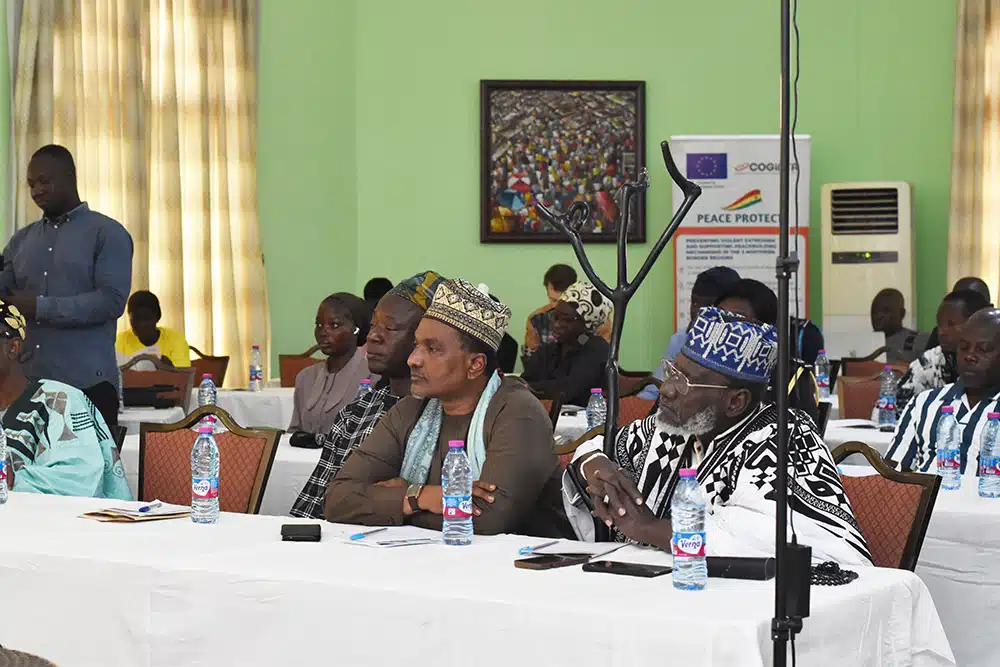
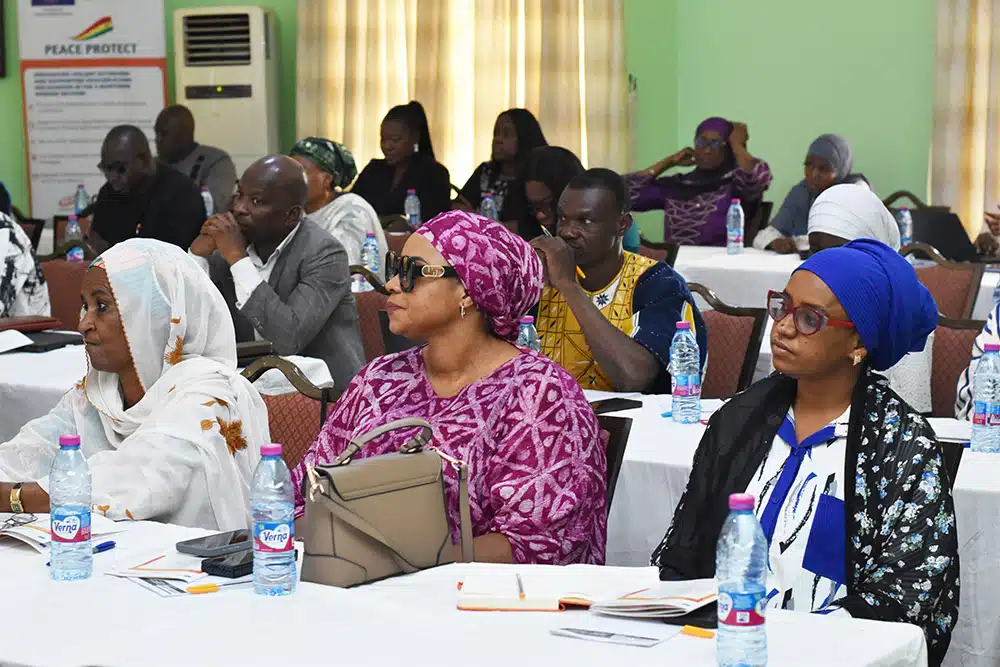
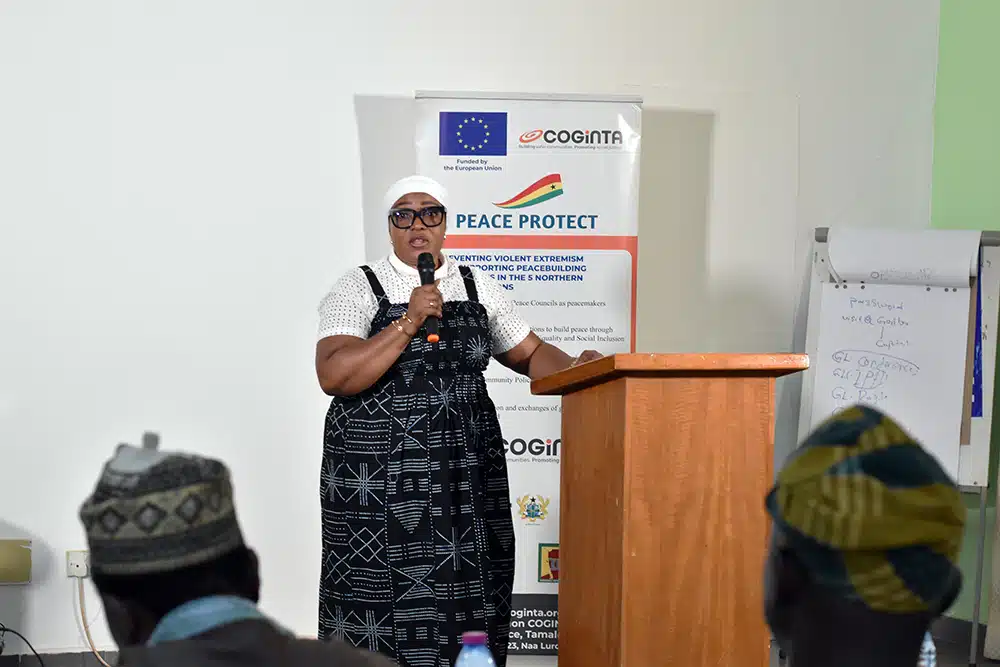
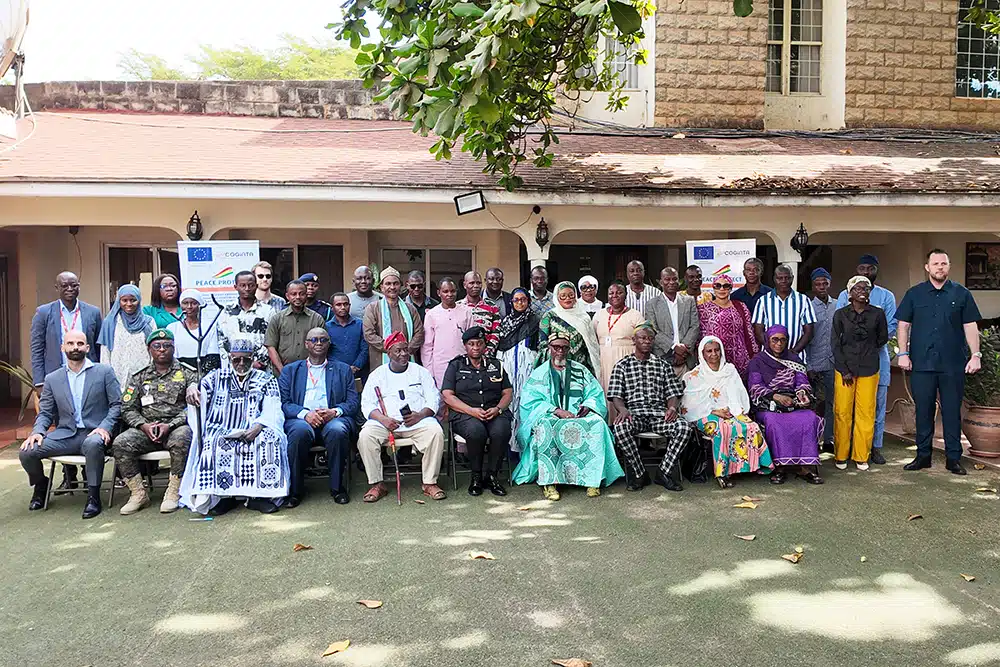
On 10–11 December 2025, Fulbe leaders, researchers, local and traditional authorities, civil society organisations and development partners gathered in Tamale for the Building Bridges – a multi-stakeholder conference on research on Fulbe’s inclusion and peaceful coexistence in Ghana. Organised under the EU-funded PEACE PROTECT project with the support of Coginta, the conference provided a rare platform to link research, lived experiences and policy dialogue around belonging, access to rights and social cohesion.
A scientific committee played a central role in grounding discussions in existing research, helping to synthesise evidence, counter misrepresentations and connect academic findings with realities faced by communities and decision-makers.
Access to citizenship documentation emerged as one of the most pressing challenges. For many Fulbe families, limited access to birth certificates, national identity cards, and health insurance continues to undermine access to basic services and fuels recurring debates over belonging. Participants stressed that inclusive registration systems, legal aid, and civic education are essential not only for access to rights, but also for strengthening social cohesion and reducing identity-based tensions.
Discussions also highlighted the importance of Fulbe community agency, including engagement through recognised leadership structures, in supporting documentation processes, clarifying citizenship status, and strengthening trust with state institutions.
Land tenure insecurity and competition over natural resources were also central to discussions. In northern Ghana, farmer–herder disputes, often involving Fulbe pastoralists, have intensified due to unclear land governance, climate change, demographic pressure, and increased movements of people and livestock from the Sahel. Similar dynamics are visible across West Africa, where pastoral mobility is increasingly politicised and securitised, heightening the risk of violence and instability.
Participants also underscored the specific challenges faced by Fulbe women and youth, while highlighting their growing role as peacebuilders, economic actors, and contributors to community dialogue, early warning, and mediation initiatives. Limited access to education, economic opportunities, and decision-making spaces continues to weaken community resilience and undermines long-term peace.
Persistent negative stereotypes linking Fulbe communities to crime and violent extremism continue to shape public discourse and security responses. The conference called for conflict-sensitive reporting and trust-based security approaches grounded in human rights, cultural understanding, and sustained dialogue rather than profiling or collective blame.
This conference built on Coginta’s broader approach to peacebuilding and social cohesion in fragile and border regions. In Ghana, this includes support to traditional authorities, Fulbe leadership, civil society, and security actors to strengthen mediation, early warning systems, and inclusive dialogue platforms. Similar approaches in northern Côte d’Ivoire address mobility, land use, and cross-border dynamics through community dialogue, cultural initiatives, and cooperation with local authorities, helping transform diversity and mobility from sources of tension into foundations for resilience and stability.
Ultimately, the conference reaffirmed that peaceful coexistence is achievable through inclusive governance, clear land and citizenship frameworks, and sustained engagement with all stakeholders. This includes continued commitment by state institutions, host communities, and Fulbe communities themselves to dialogue, accountability, and peaceful conflict resolution. Building on this momentum, Coginta and its partners will support follow-up dialogues, collaboration and support for the implementation of the agreed recommendations, including a roadmap to contribute to more inclusive, peaceful societies in Ghana and across West Africa.