News
Ivory Coast: An action plan for the protection of water resources
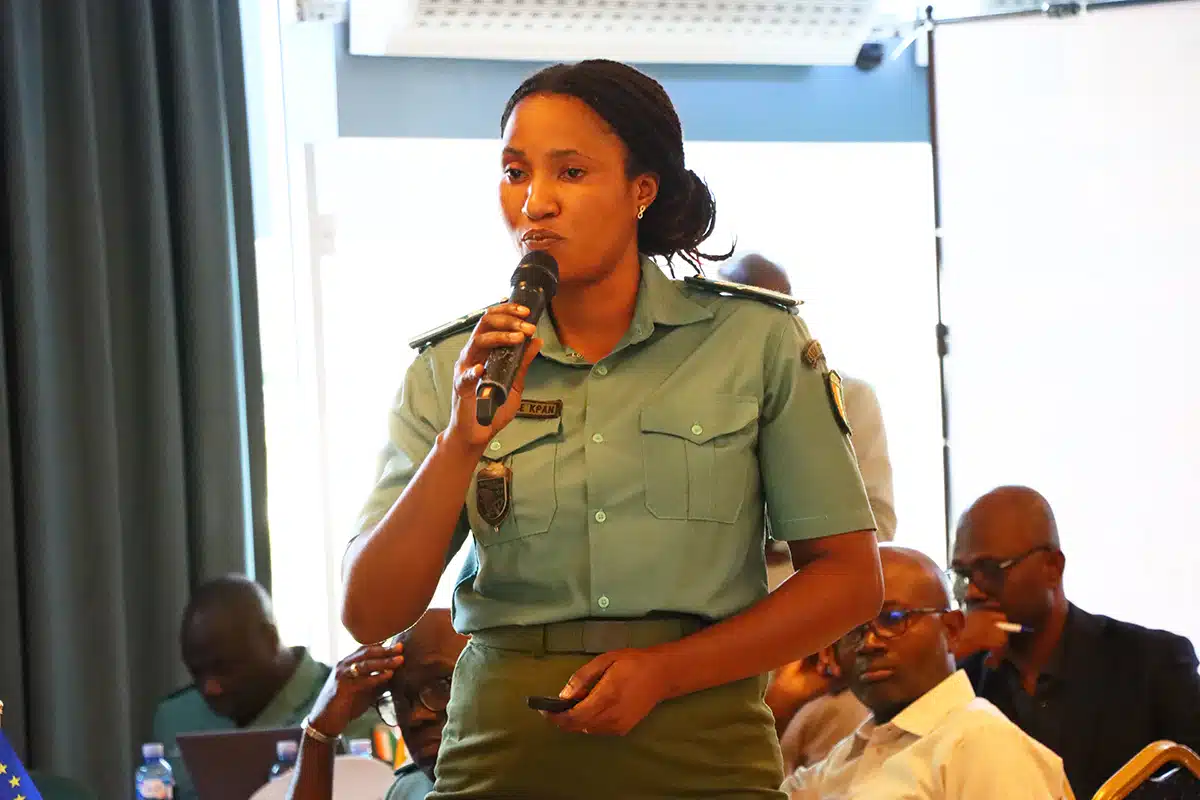
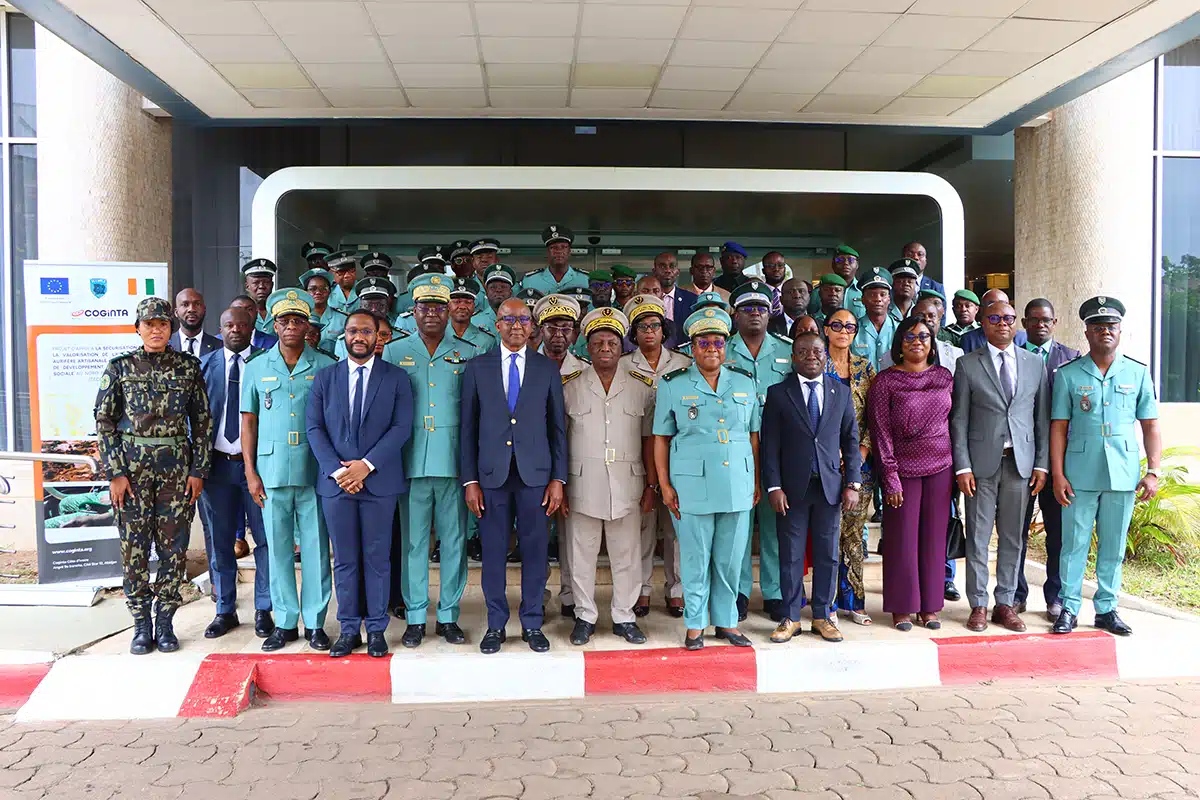
From September 17 to 19, 2026, a national workshop to validate the Action Plan to Combat Water Pollution (PALPE) was held in Bouaké, a city in central Côte d'Ivoire. This three-day workshop was part of the project to support the securing and development of artisanal gold mining as a factor of development and social cohesion in northern Côte d'Ivoire (SECORCI 2), funded by the European Union and implemented by Coginta.
The workshop brought together more than eighty participants from the Ministry of Water and Forests, the Committee for Combating Water Pollution, as well as specialists in water resources, mining, the environment, defense and security, and diplomacy. The objective of this meeting was to validate the PALPE (Program for the Protection of Water Resources) in order to strengthen governance, inter-institutional coordination, and the effectiveness of interventions for the protection of water resources.
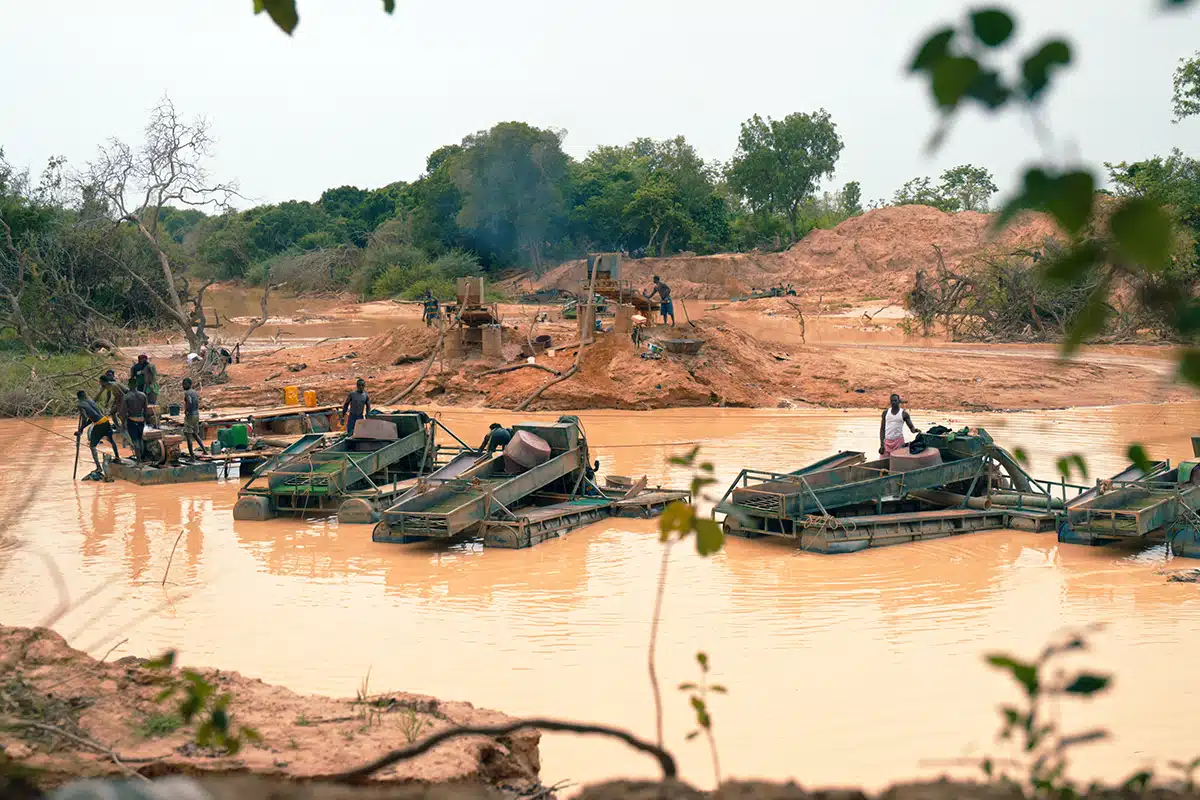
Artisanal and small-scale gold mining has expanded rapidly over the past two decades, particularly in the transboundary Bagoué River basin. While this activity provides income for many families, it places increasing pressure on natural resources, especially water, a vital resource for local communities and ecosystems.
In this context, a comprehensive socio-hydrographic study of the Bagoué River was conducted to document the environmental, social, and economic impacts of illegal gold mining on the river and its ecosystems. The Bagoué River is a vital resource for local communities, but it is now severely threatened by several factors, particularly those related to illegal gold mining activities.
Several workshops were organized to present the findings of this socio-hydrographic study to stakeholders, including administrative and local authorities (prefects, sub-prefects, the Regional Council, mayors), decentralized technical services (Water and Forestry, Agriculture, Hydraulics, Environment, Mines, Health, and Education), as well as traditional leaders, community leaders, youth representatives, and non-governmental organizations. Their main objective was to present the study's results, gather feedback, and validate the conclusions and recommendations made.
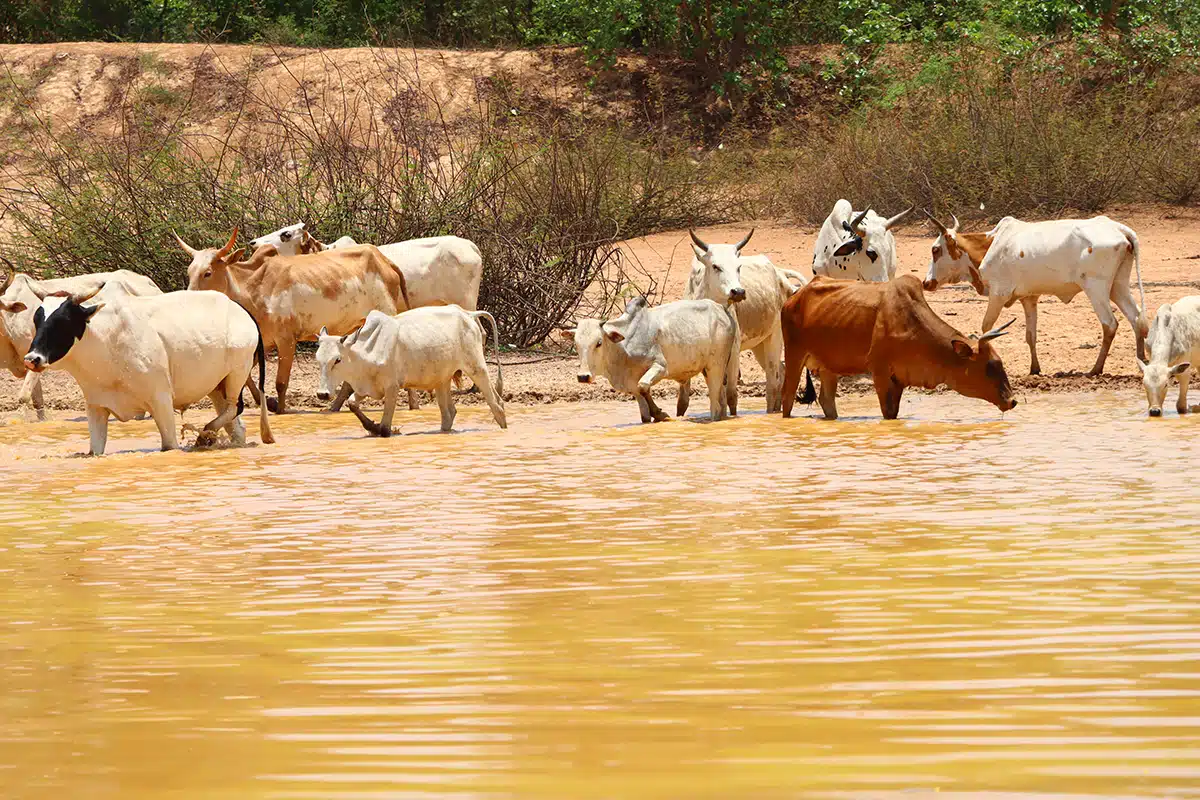
The main threats identified include advanced riverbank degradation, siltation of waterways, and water pollution, linked in particular to illegal gold mining activities. These practices lead to a deterioration in water quality, disruption of aquatic ecosystems, and increased health risks for riverside communities.
Addressing these issues requires raising awareness and changing practices at the local level, but also—and necessarily—through public policies that enable a multifaceted response from the State. Faced with this situation, the Ministry of Water and Forests and its partner organizations have therefore mobilized the Committee for Combating Water Pollution, a body created by interministerial decree in 2024, tasked with proposing measures to the Government aimed at guaranteeing the protection of water resources. Several workshops have been organized to present a draft version of the Local Action Plan for Water Pollution (PALPE) and to consider specific issues such as riverbank degradation, the establishment of hydrological stations, and the coordination of awareness campaigns.
The national workshop held last September in Bouaké finally led to the validation of the PALPE (Local Action Plan for Water Resources Protection). This plan will strengthen governance, inter-institutional coordination, and the effectiveness of interventions for water resource protection. From the production of data on the Bagoué River to its discussion with local and national stakeholders, the socio-hydrographic study of the Bagoué has contributed to a broader reflection on water resource protection, which the SECORCI 2 project then supported alongside the relevant ministries until the PALPE was validated.